If I try to trace my roots in Open Source, I’d probably have to go back to my early days in the mid to late 1970s and the time I spent playing with my Commodore PET, then TRS-80 Level II, as well as all those other computers that would follow. Back then, if you wanted your personal computer to do anything at all, you’d learn to program. There were magazines with pages of code shared by other enthusiasts, and if something caught your attention, you’d sit at your old (then, new) computer and carefully type in the code from the magazine. The next inevitable step involved carefully studying the code to find out where you made mistakes typing it in. The source was literally open, right there on the page.
Years later, I went to work in IT, initially doing tech support, then moved into systems administration (what you kids today call, “DevOps”). There were projects out there on the Internet to run email services, FTP servers, and other cool tools with names like Archie, or Gopher. In 1992, I first ran across something called “Linux” and the rest, as they say, is history. Okay, maybe not so simple. For me, though, and apparently a whole lot of other people, there was something really interesting happening around Linux that didn’t happen before. Suddenly, a globe-spanning community of people got the same bug, infected with that same feeling that something was different now.
We could change the world.
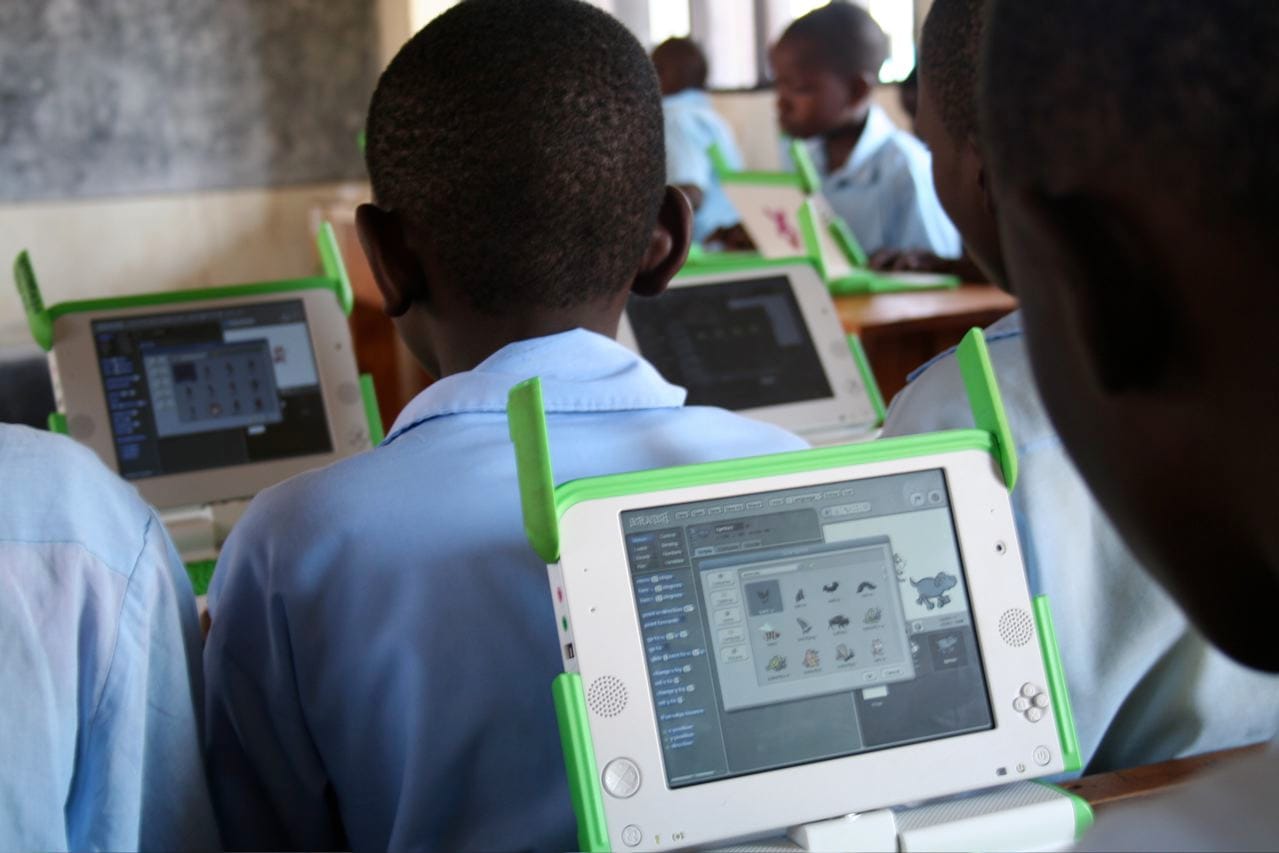
The early days of the Linux and open source movement were fueled by a sense of idealism and the belief that technology could level the playing field, giving everyone access to powerful tools and the ability to shape their own digital destinies. We gathered in Linux User Groups (LUGs), shared ideas, code, and helped build the World Wide Web of today. We ran Installfests, where volunteers would show people how they could replace their Windows systems by installing Linux, and share in the power to build a new digital, and open, world. We built organizations to foster and protect the spirit of free and open source software, aka FOSS. There were some who thought bigger still. Could we use this free software to put technology in the hands of people who could not otherwise access it? Projects like the One Laptop Per Child (OLPC) initiative, while not entirely successful, embodied this spirit of using open source to empower and uplift communities.

If you’re more into visual creation, get yourself a copy of Easy Diffusion, get familiar with model repositories like Civitai, and start creating.
The rise of open source, including that idealistic philosophy, built this fantastic technological world in which we all live. We had a say in its creation and its why all of our devices (or most of them) can talk to each other without needing a specific piece of hardware or software for every person you want to email, or every Website you want to visit. Those of you who have been in this game for a while know what I’m talking about.
Similarly, we can have a say in how the future of AI is shaped. We don’t have to leave it to a handful of mega-corporations. Bear with me while I dream big for a moment. Imagine a world where anyone with a passion for problem-solving and a willingness to learn could harness the power of AI to tackle issues like poverty, education, healthcare, and environmental sustainability. Think open source AI platforms that helps farmers in developing countries optimize crop yields and reduce waste. We can do all that stuff by making AI that is accessible and transparent. What we need is a new generation of open source pioneers who are driven by a desire to make a positive impact, not just a profit.
We’ve done it before. We can do it again.
So, to all the dreamers and idealists out there who still believe in the transformative potential of open source, it’s time to put aside our obsession with controlling the desktop and turn to this brave new world of AI.
What do you think? How can we foster a culture of open source AI innovation that prioritizes social good over purely commercial interests? I’d love to hear your thoughts on the practical steps we can take to make this vision a reality.